


06 Oct 2026
HACCP temperature monitoring with sensors
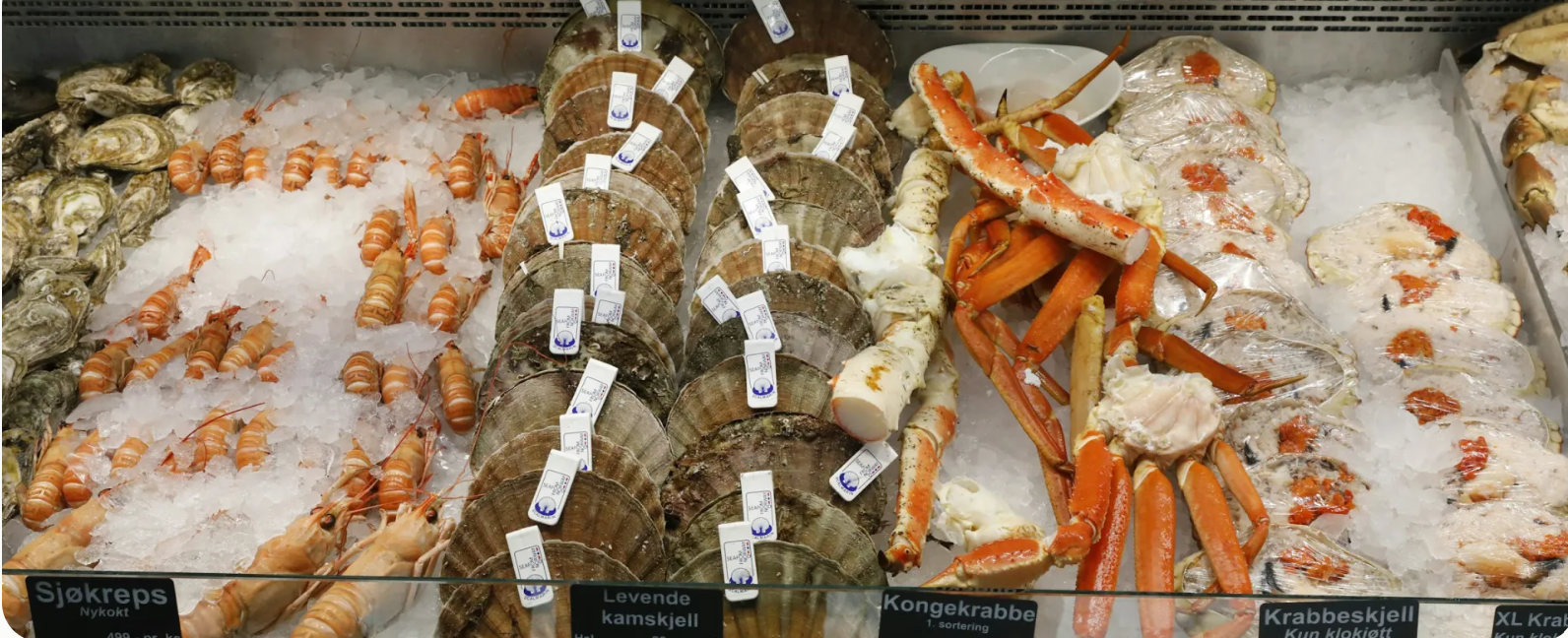
What HACCP means for temperature
HACCP stands for Hazard Analysis and Critical Control Points. In the EU, Regulation (EC) No 852/2004 on the hygiene of foodstuffs (Article 5) requires every food business operator to put in place, run and maintain procedures based on its principles. Each business writes its own HACCP plan: it looks at its processes, finds the hazards, and defines where they must be controlled.
For anything that is stored cold, temperature is the classic critical control point (CCP). The seven principles translate into five practical tasks:
- Define the critical points. Which cold rooms, freezers, counters and display cabinets hold food whose safety depends on temperature?
- Set the critical limits. Which range applies to each point, for example 0–2 °C for fresh fish or −18 °C or colder for frozen food? The values come from your HACCP plan, product specifications and national guidelines.
- Monitor. Check each point often enough to catch a deviation before it becomes a hazard.
- Correct. When a limit is crossed, act according to a defined plan: repair, relocate, assess or discard the goods.
- Document and verify. Keep records of the readings and the actions taken, and check regularly that the system works.